
Blog

Notes from online and on the road

Reflections from Lou Lou on creativity, travel and working online.

What I noticed in Trieste, that I used to notice in my therapy room.
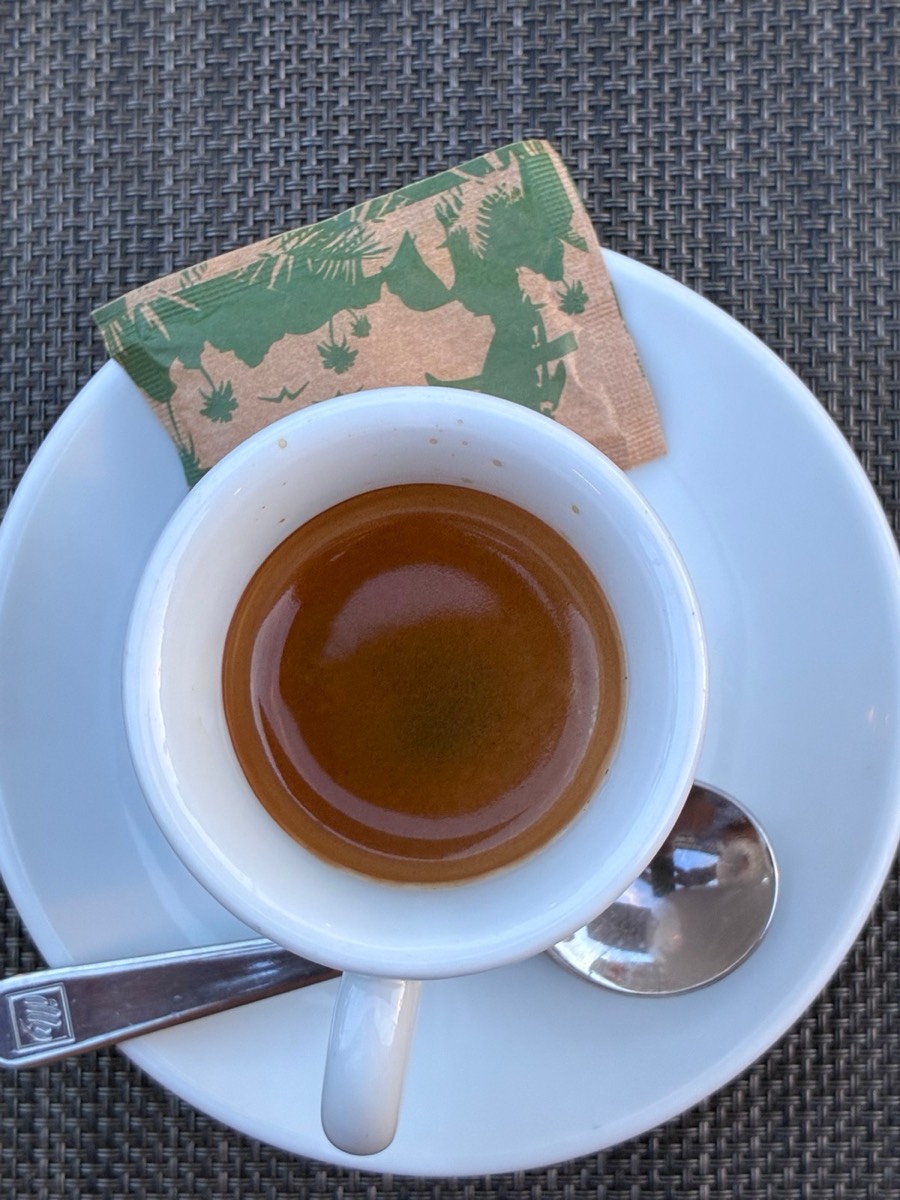
An espresso on a saucer

My suitcase holds oil pastels, sketch books and watercolour brushes like others carry skincare, chargers and clothing. There are art supplies that I could very easily have chosen not to pack, but the thought of “I might need…” and “they could come in handy if…” was too strong for my self control.
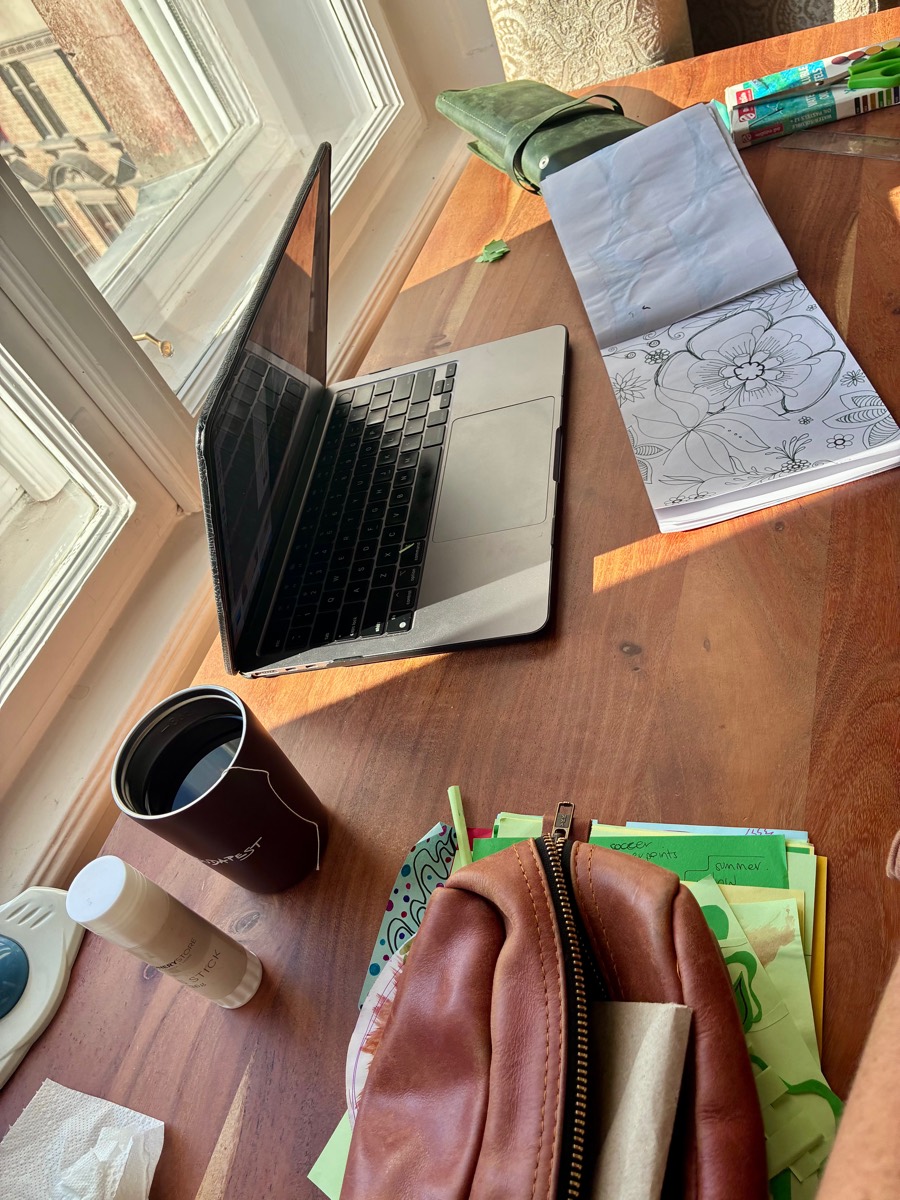
A laptop, sketchbook and art supplies on a sunny wooden desk by a window

Many I have yet to use, colours that haven’t seen the daylight yet from someone who used to spread out and have a clinical space for all colours to be explored.

I trained as an art therapist in a clinical setting before leaving Melbourne for the world.

Moving to be in the same time zone (or as close to) as my partner, a touring live sound audio engineer.

The training hasn’t left just because I am no longer in the clinical space, in fact it has moved with me and shifted to ‘real world’ observations. In the clinical room, I would focus on the clients’ movements, words said, patterns, colours, images drawn.

Now I notice similar moments, but along streets; which ones are performing for tourists and which ones didn’t bother?

Where the pace or the small moments give it away, such as the women who bring their friend a coffee and sit together at her book stall, or the nonno who owns the small grocery shop and is looking after his neighbour’s child for a moment.

This is a case for slower travel that usually doesn’t make the list.

Where you can start to read a place, like you might read a person. Most trips move too fast for this to happen, much like a person, you can capture a passing ‘vibe’, but won’t be able to grasp an in depth story.

Four to five days in one neighbourhood though, means the lady at the corner shop starts to recognise you, the neighbour gives you a little nod of acknowledgement, and long enough to find the cafe with the wifi, that isn’t too busy and has you ordering with the same barista that sparks up a chat. Now it’s feeling less like sightseeing, and more like the first few sessions with a new client, where you’re not gathering facts as much as you’re noticing rhythm.

Grasping a sense of the whole picture, not just the highlights.

So now, as I sit in the side alley cafe on Via Dante Alighieri, sipping an espresso and doodling on my receipt with a blue ball point pen that I carry (instead of said oil pastels).

I realise maybe next time I’ll pack the unused colours, but for now, it’s just the noticing.
Working Online: What I Have Learned as a Qualified Arts Therapist

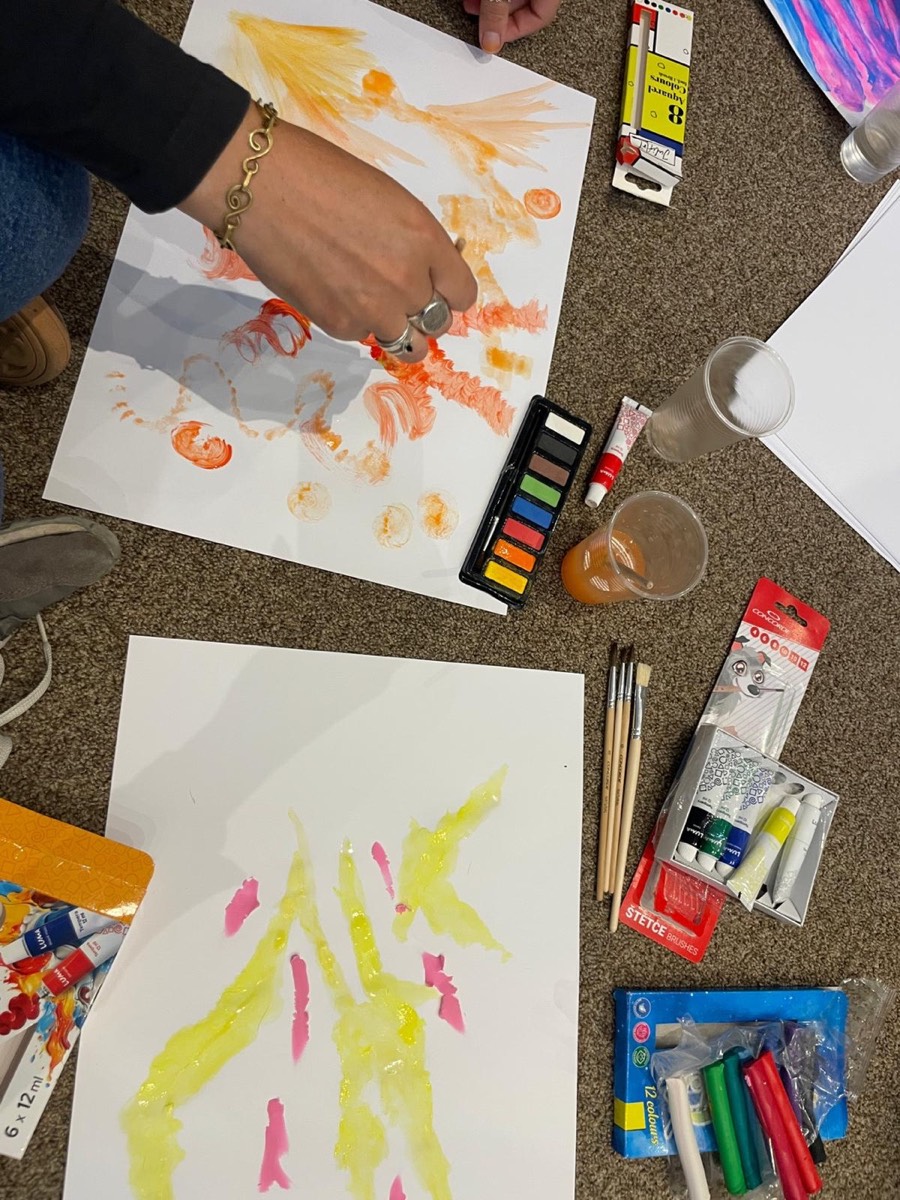
Overhead view of hands painting with watercolours during a session

In a time shaped by AI, social media, and the rise of online harm with very real consequences, it’s worth pausing to ask:

What are the benefits of being online, when it’s done with care?

As a 30 something year old qualified arts therapist, working predominantly online with children and young people, this question has shaped much of my practice. Especially because technology has never been my natural comfort zone...which makes my very-online role feel a little ironic, and also deeply human.

It has come with learning curves, reflection, and a reimagining of what therapy can look like beyond a shared room.

Rather than trying to replicate in person therapy through a screen, my work has focused on bringing the offline world into the online space.

Working Offline While Being Online

Research consistently highlights the importance of engagement, agency, and nervous system safety - and these don’t disappear just because therapy happens online.

Some of the ways I support this include:

  • Using what already exists in a client’s environment - everyday objects, familiar materials, and personal spaces. This supports flexible thinking, imagination, and a sense of initiative.
  • Moving away from the screen when needed. Therapy doesn’t have to feel like another online lesson. Sometimes that means standing up, finding a different space in the room, or leaving the screen briefly to get a drink - just as we would in person.
  • Practising a healthy relationship with screens. Learning to notice when it feels like “too much,” taking space, and gently returning is a skill - not a failure.
  • Navigating technical difficulties together. Frustrating? Yes. Also, a real-time opportunity to practise patience, problem-solving, and resilience.
  • Keeping things simple when simplicity is enough and having alternatives ready when it isn’t. Knowing how and when to introduce these safely is part of the work.
Online therapy asks for flexibility, not perfection.

What Often Works From a Client’s Perspective

From my experience, and supported by broader therapeutic literature - online work can offer meaningful benefits, particularly when working with neurodivergent clients and young people.

Some of these include:

  • Emotional safety in a familiar environment. Entering an unknown space can take time and energy. Being at home often reduces this barrier.
  • A shift in power and hierarchy. Both therapist and client are inviting each other into their spaces, which can feel more collaborative.
  • Reduced travel time and fatigue, especially for those already managing overwhelm, chronic pain, or limited energy.
  • A sense of competence with technology. Many young people are deeply comfortable online, and sometimes they become the teacher, which can be empowering.
  • Consistency, even when routines change. Online therapy can remain accessible during travel, transitions, or unexpected disruptions.
  • Creative engagement using home-based materials. Therapy doesn’t need a fully stocked art studio; meaningful work can happen with what’s already available.

For some, beginning online can also ease the transition into future face-to-face work, rather than replacing it altogether.

This post isn’t about convincing anyone that online therapy is better.

Instead it is about sharing what I’ve learned, what continues to evolve, and why intentional, relational online work can be deeply supportive when approached thoughtfully.

This work continues to evolve, shaped by research, reflection, travel, culture, and the people I work alongside. Writing here is a way of slowing things down, noticing what’s working (and what is not), and staying curious about how therapy can meet people where they are.

If any of these reflections resonate, there’s always more space to explore them together.

Let’s chat!

Thanks for reading

If something here resonates, I’d love to hear from you. Send me a message, or book a free intro call.